
Turn climbing into a responsive digital experience with projection, motion tracking, and interactive games. The Interactive Climbing Wall combines physical activity with real-time visual challenges, allowing users to touch targets, follow routes, avoid obstacles, and complete game-based tasks directly on the climbing surface. This interactive rock climbing wall format adds a digital layer to traditional climbing without replacing the physical activity itself.
Where Adventurous Climbers Reach Digital Summits
Interactive Climbing Wall


Designed for family entertainment centers, schools, museums, climbing gyms, indoor playgrounds, and sensory-focused spaces, the system can be integrated with an existing compatible climbing wall or planned as part of a new commercial climbing installation.


Interactive Climbing for Play, Learning, and Active Recreation
The system connects physical climbing with responsive digital content. As users move across the wall, motion-tracking technology detects their interactions and updates the projected game in real time.
This combination encourages active participation, coordination, balance, reaction time, route planning, and an understanding of cause and effect. Different games can be used for recreational climbing, structured group activities, educational challenges, or visually engaging commercial entertainment.
The experience can be adapted to the venue’s purpose, the age of the participants, and the planned activity format.
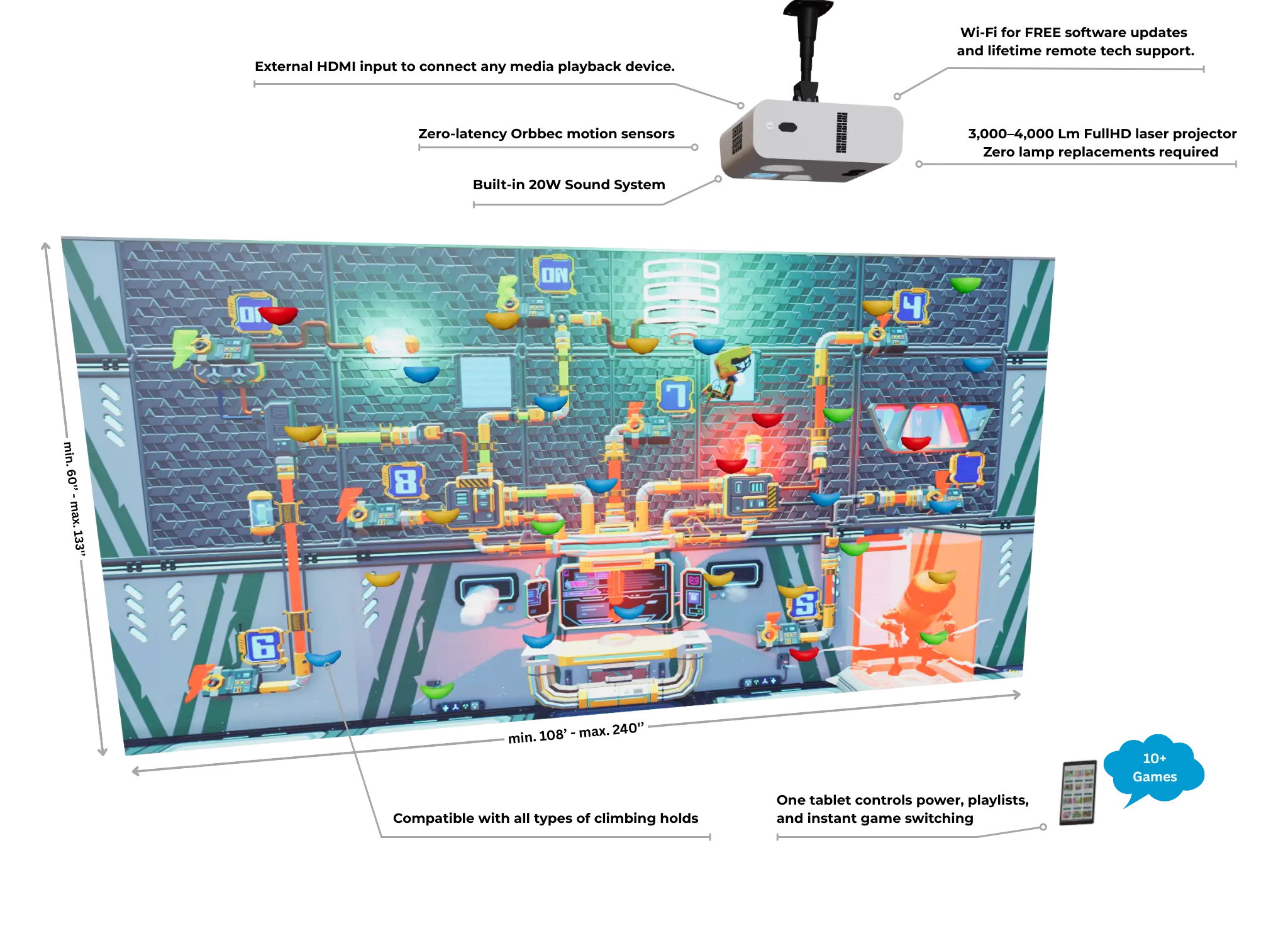
The Interactive Climbing Wall takes developmental and sports games to a new level.
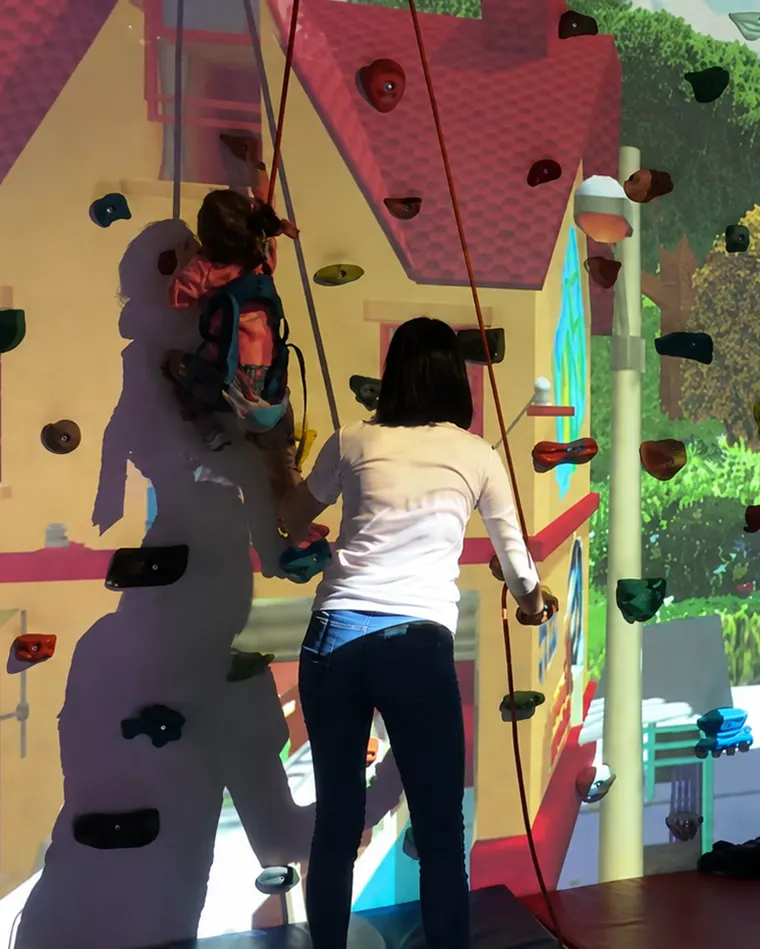
A powerful projector, attached to the ceiling with a bracket, casts a bright, large projection onto the wall (up to 155 inches wide) in Full HD resolution. The wall features augmented reality objects that can be interacted with using motion sensors. Children not only climb upwards but also complete various tasks, all while developing multiple useful skills. The set includes over 20 games and a tablet with a keyboard for convenient control.
Meet the A-list of Games and Activities.
Are you ready for a game-changer? Our collection of move-worthy games and activities (and growing) is the ultimate solution to combining fun, exercise, and learning!
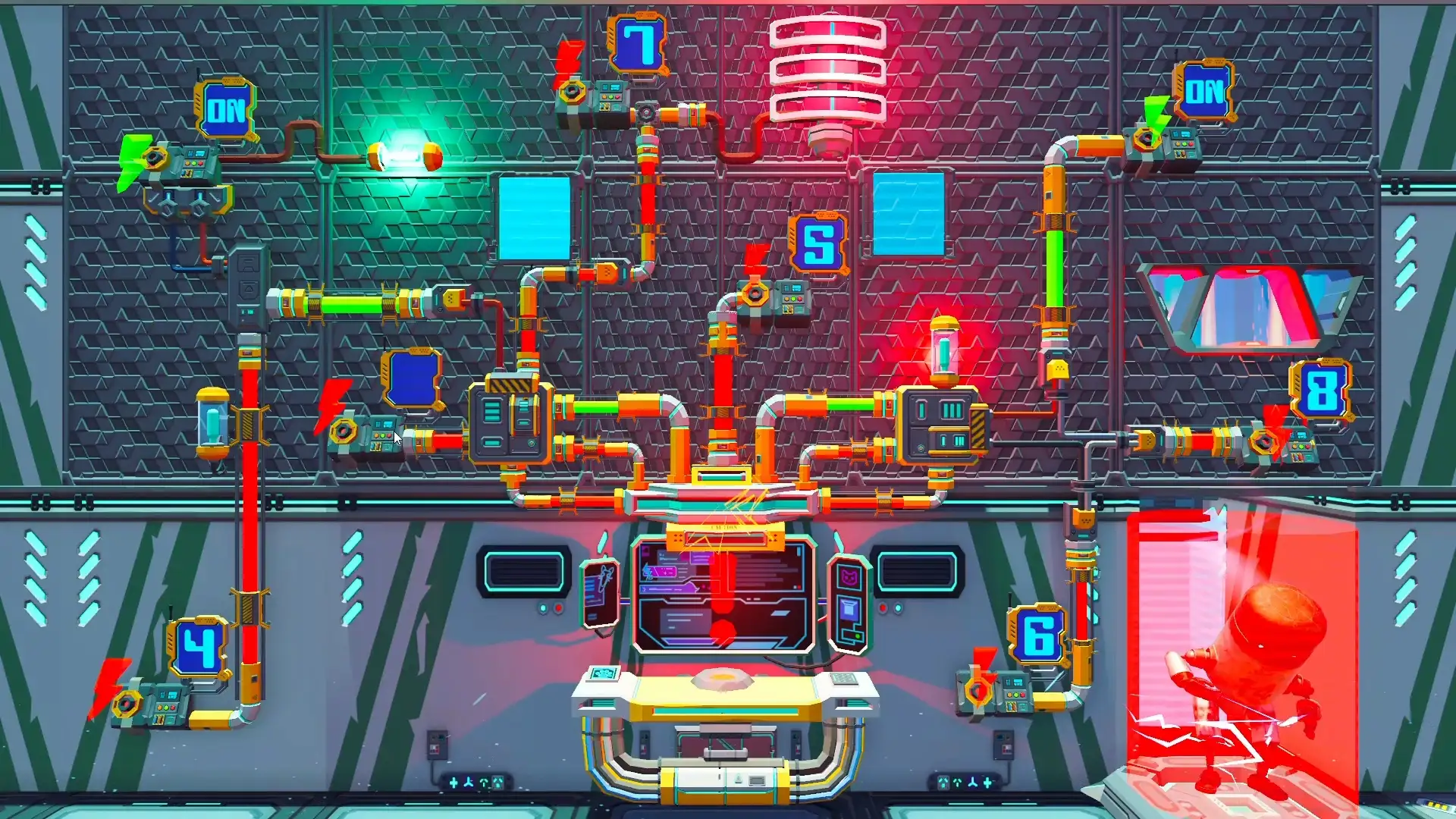


Math trees

Find the butterfly
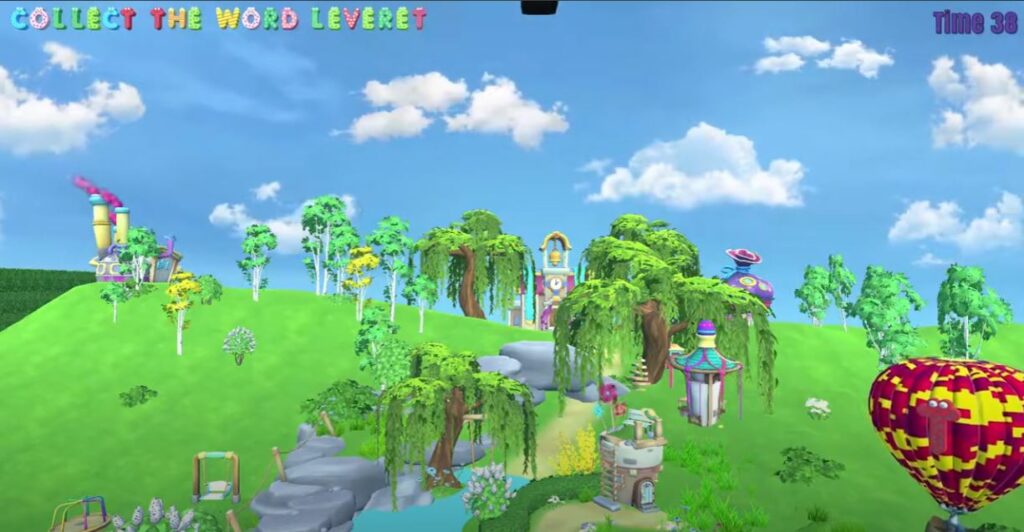
Collect the word
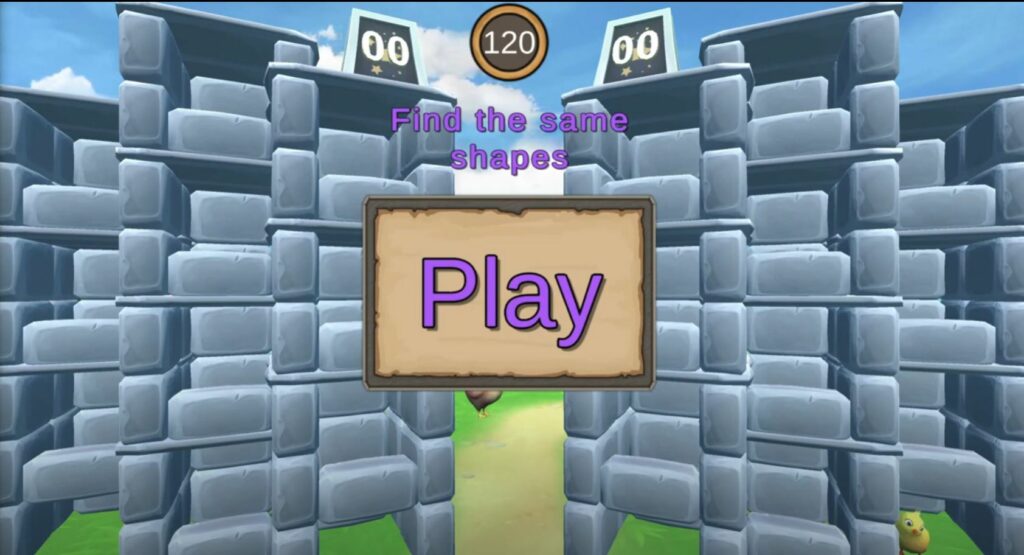
Studying the figures
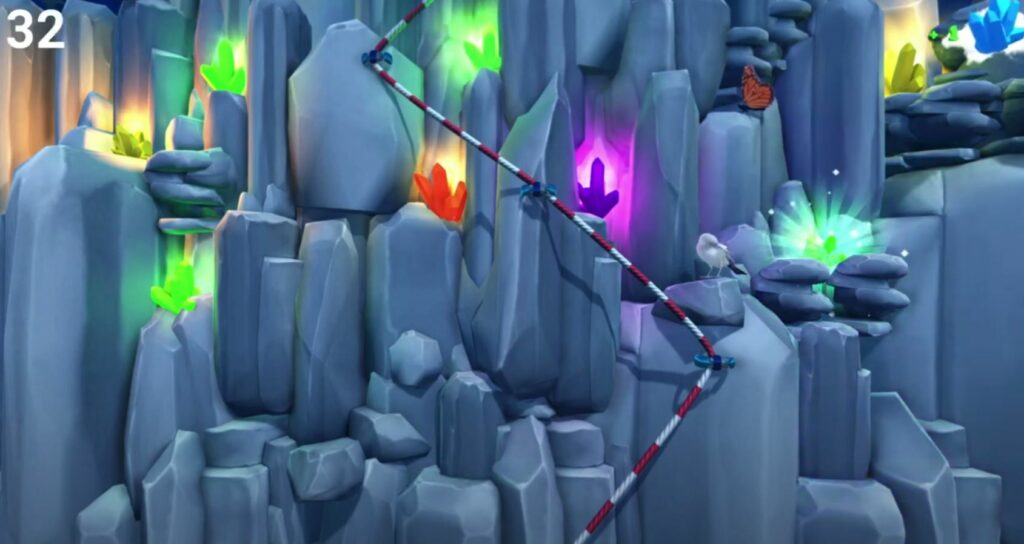
The rock
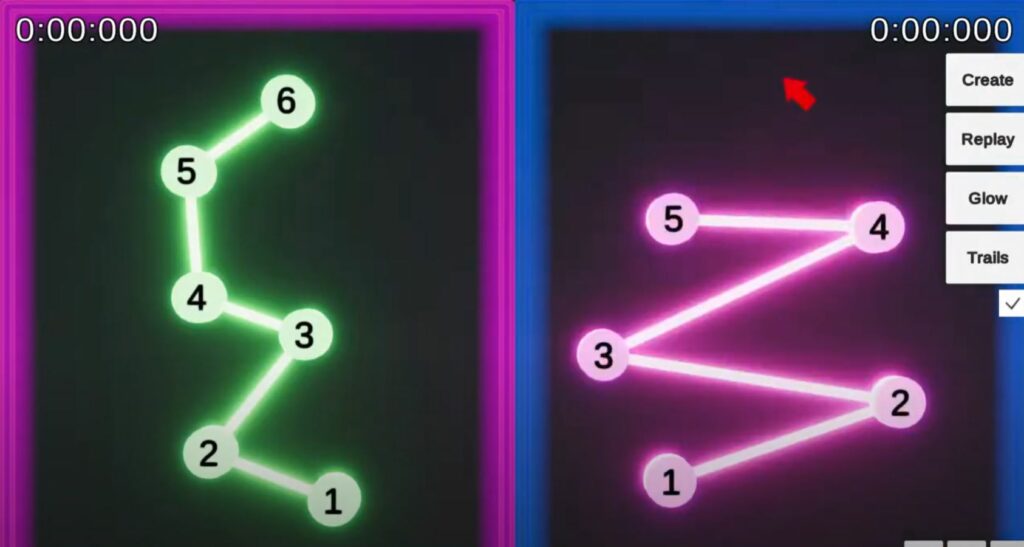
PRO three track builder
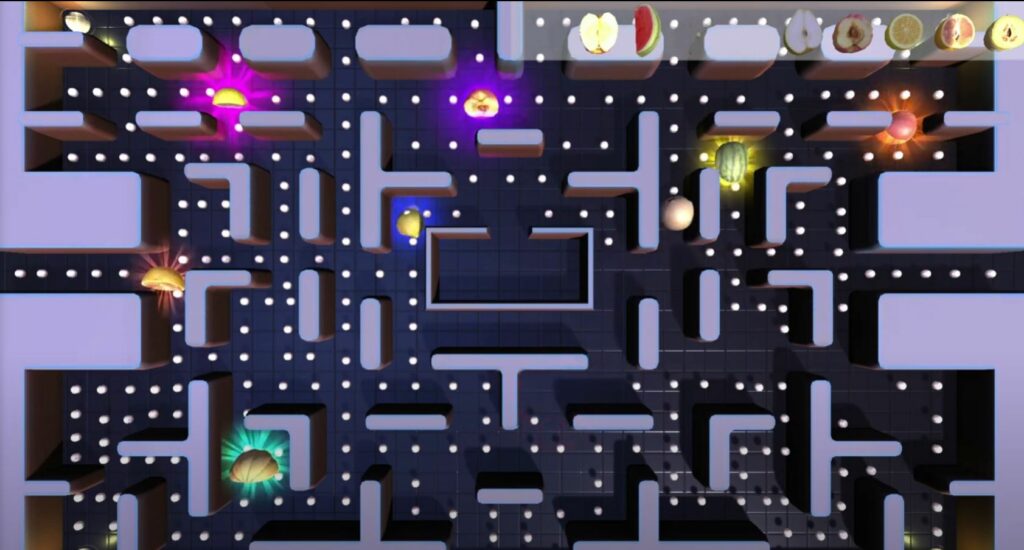
Fruity Maze
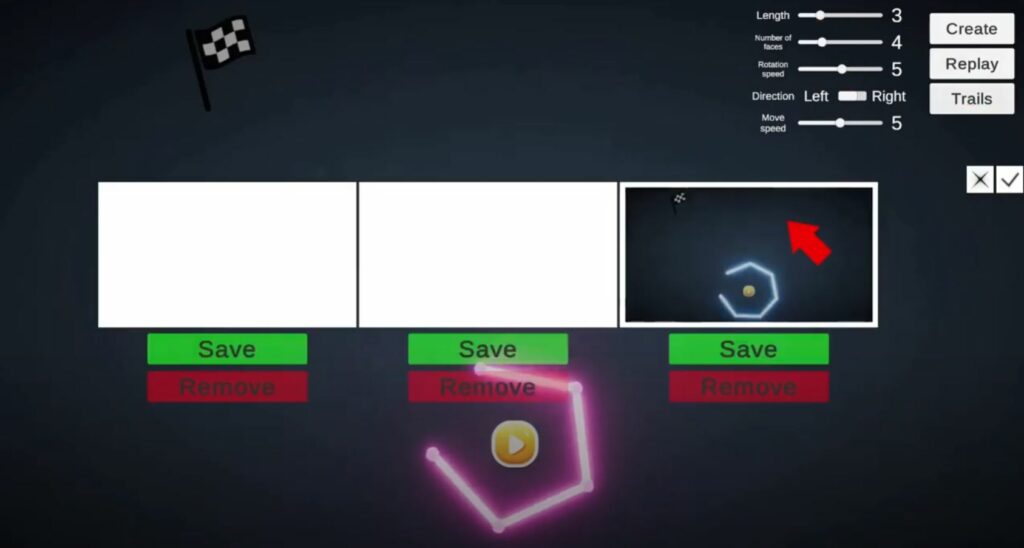
PRO figures
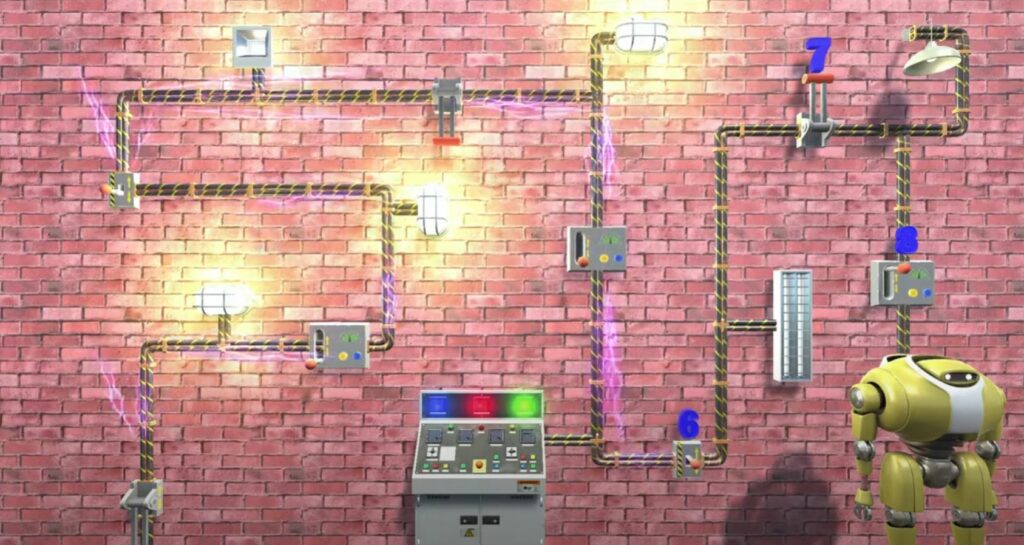
Launch the robot

Save the aliens
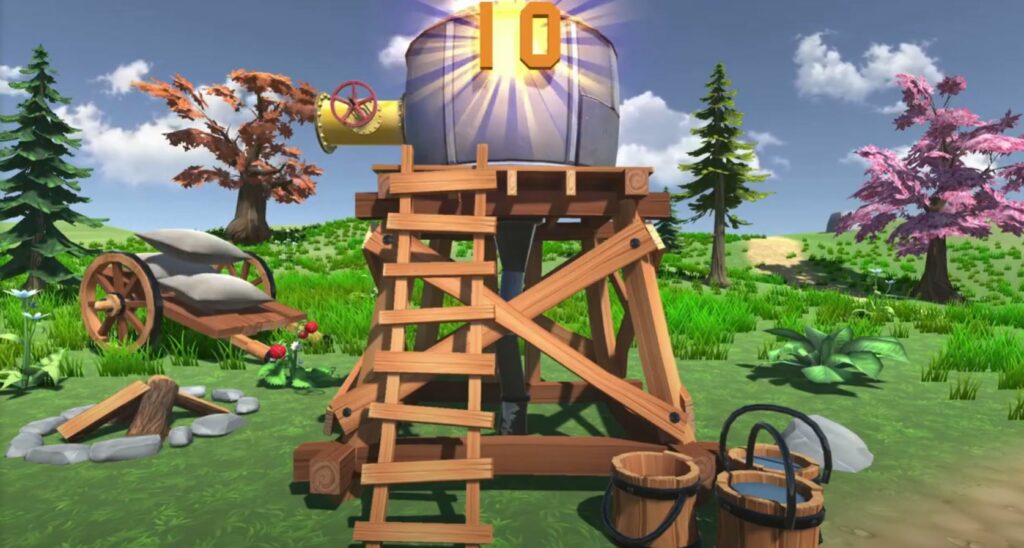
put out the fire
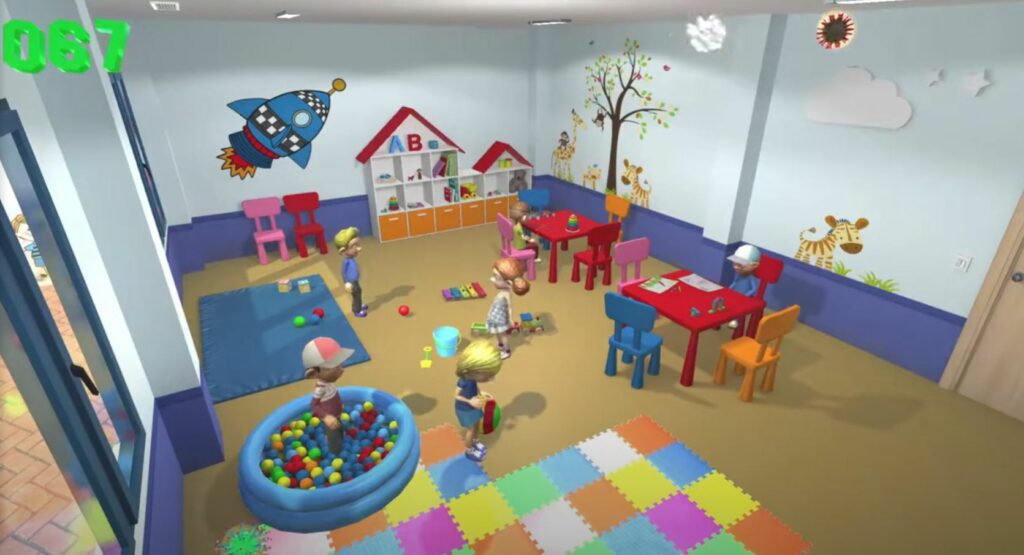
Viruses
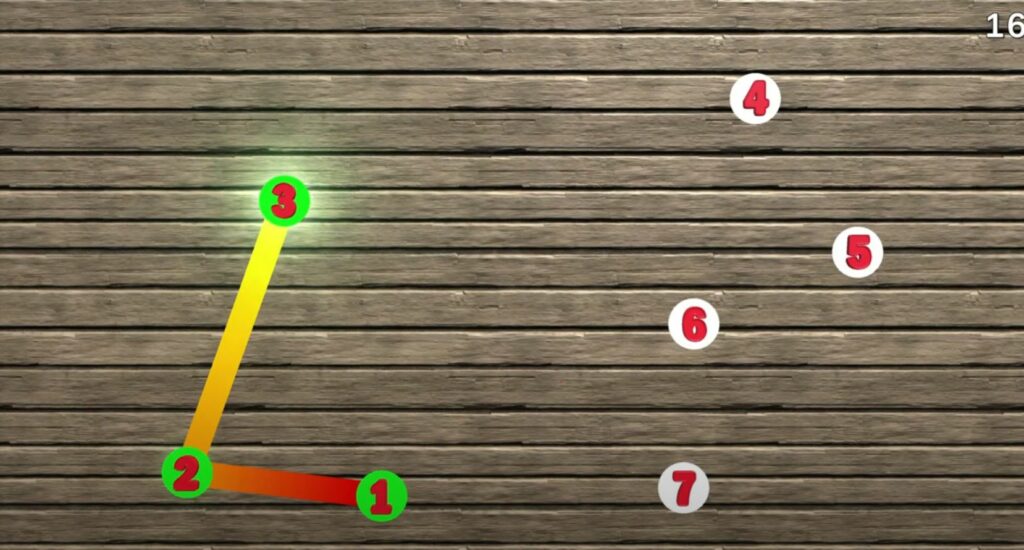
Points
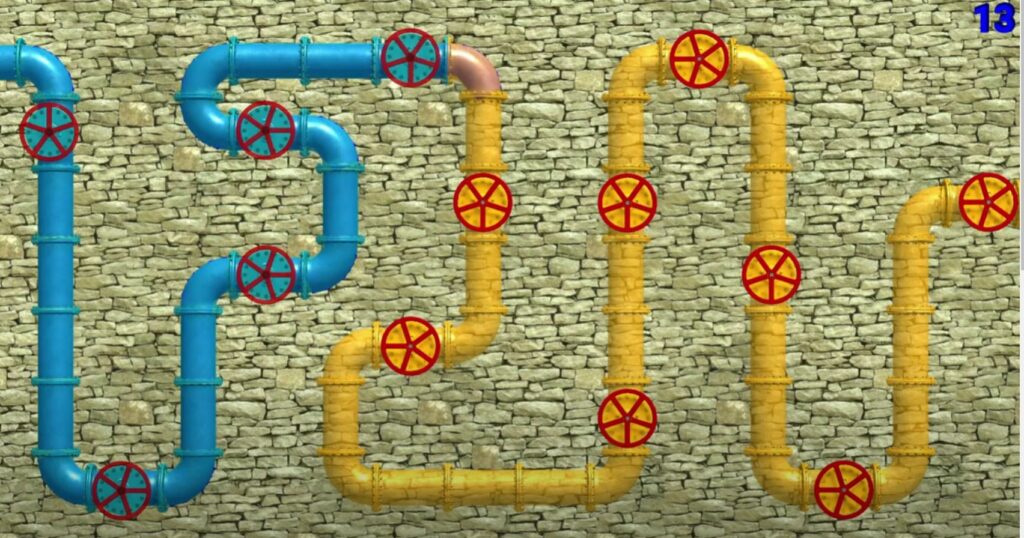
Pipeline
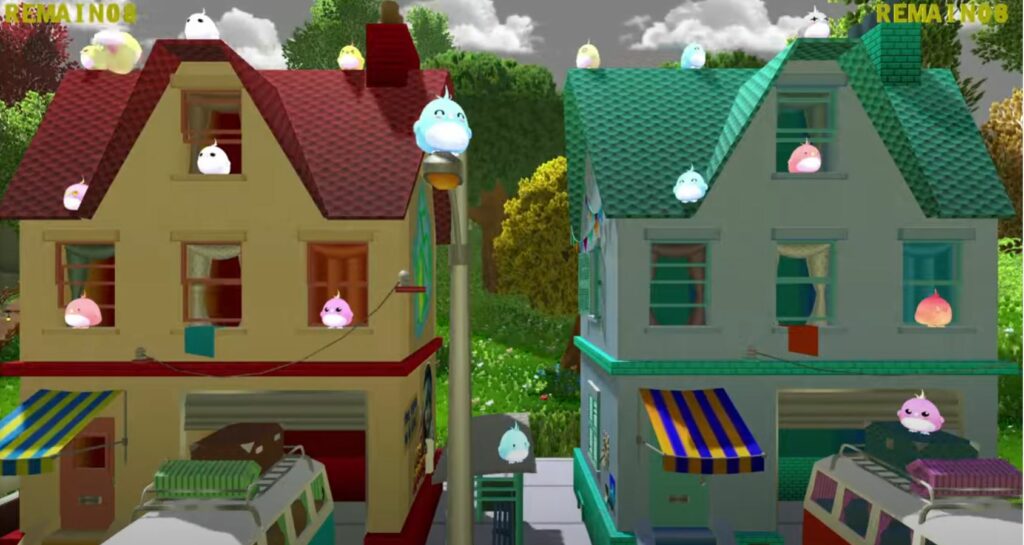
Birdies
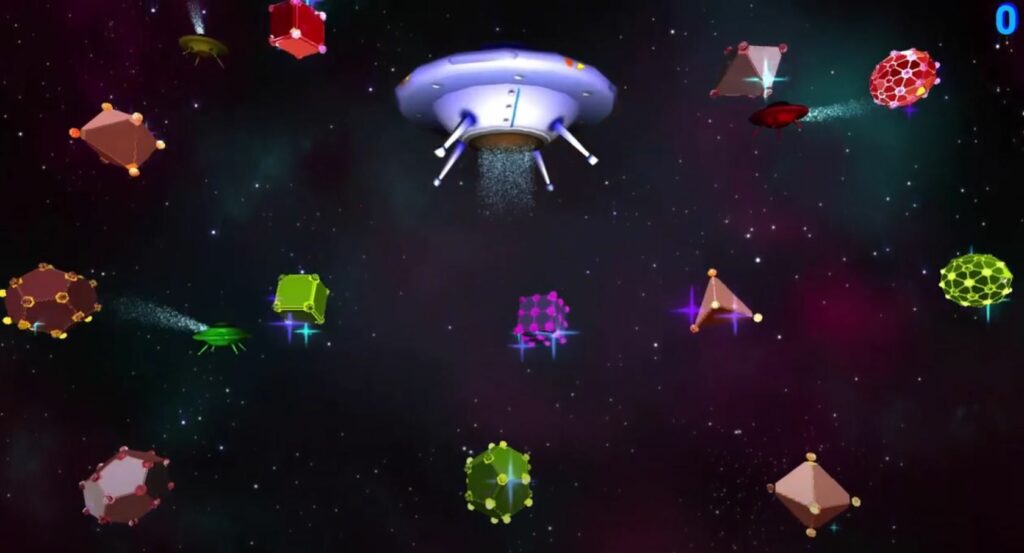
Help the UFO
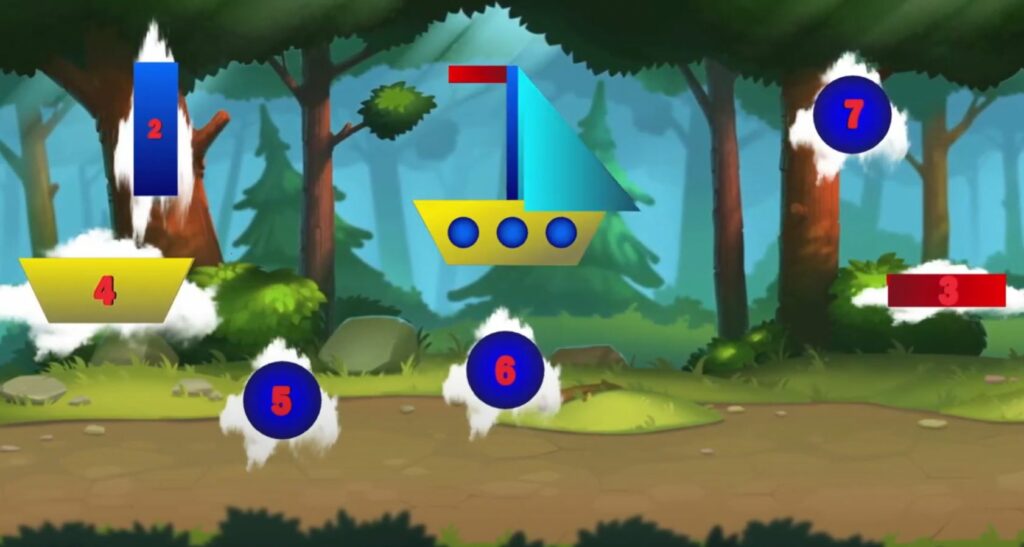
Find geometric shapes

thieving monkeys

Aerofootball

Underwater World
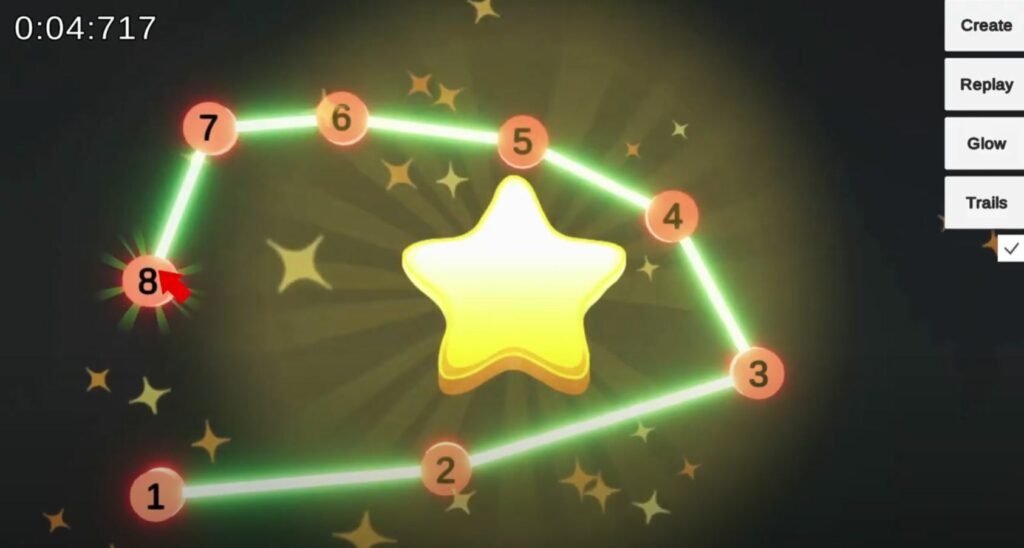
PRO track builder

Turn on the Robot
Compare Interactive Climbing Wall Models
Explore the available configurations and choose the interactive climbing system that best matches your wall size, room lighting, projection distance, expected daily use, and installation requirements.
The main differences between the models may include projector brightness, projection coverage, equipment configuration, and recommended room conditions.
No subscription | Live tech support | 10 games | Free game updates | 2 year warranty.
| Laser Projector | Resolution | Warranty | Best for | Price | |
|---|---|---|---|---|---|
Interactive Climbing NS

|
3,000 Lm
(All-in one w/o steel case) |
1920 x 1200 | 2 years | Schools, recreation centers and climbing walls | $4,499 |
Interactive climbing WS
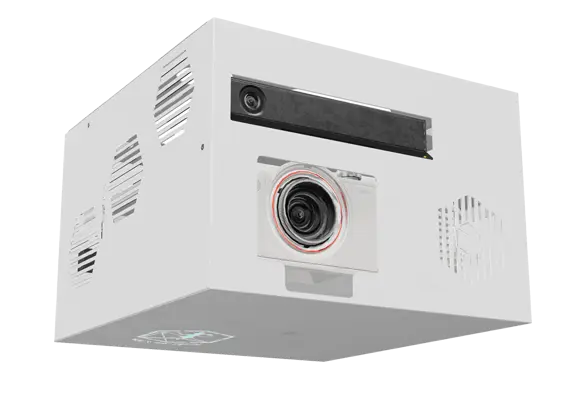
|
3,000 Lm
(All-in-one with steel case) |
1920 x 1200 | 2 years | Digital parks and high-traffic climbing walls | $5,499 |
Tested. Trusted. Implemented.
Our systems have been implemented by leading local and national brands in the entertainment, fitness, and educational industries.

































How the Interactive Climbing Wall Works
The Interactive Climbing Wall uses a projector, motion-tracking sensor, control computer, and purpose-built software to transform the climbing surface into a responsive digital environment.
- The projector projects a game or visual challenge onto the climbing wall.
- The participant begins climbing and interacts with projected targets, routes, obstacles, or other game elements.
- The motion sensor detects the participant’s movements and interactions within the active projection area.
- The software processes each interaction and updates the visuals in real time.
- Players continue climbing until they complete the objective or finish the challenge.
The result is an active experience in which physical movement directly influences what happens on the wall.

Upgrade an Existing Wall or Plan a New Installation
The interactive system can be added to an existing compatible climbing wall or considered during the planning of a new commercial climbing installation.
For an existing wall, our team evaluates the available projection area, surface material, wall color, climbing holds, room dimensions, lighting, ceiling structure, and equipment mounting options.
For a new installation, the digital system can be coordinated with the planned wall dimensions, projection layout, sensor coverage, safety area, and expected user capacity. This helps the physical climbing structure and interactive equipment work together effectively.
The suitability of every installation is evaluated individually. Structural safety, climbing equipment, fall protection, and required clearances must comply with the applicable requirements for the facility and location.
What Is Included with the Interactive System
Every system is supplied with the equipment and support required to create and operate the digital interactive experience.
Depending on the selected model, the package may include:
- Commercial-grade laser projector
- Motion-tracking sensor
- Control computer
- Interactive climbing software
- Included climbing games
- Control tablet, keyboard, or other operating device
- Projector and sensor mounting components
- Required connection and signal components
- Professional installation and calibration
- Initial staff training
- Technical support
- Standard software updates
- A 2-year manufacturer’s warranty
- No monthly subscription fees for built-in software
The physical climbing wall, climbing holds, safety flooring, structural supports, and other facility-specific components should be identified separately unless they are expressly included in the selected proposal.
Why Us?
1
Year Warranty1
Subscriptions1
Tech SupportVisit our showroom or schedule a Zoom call
We will call you back from (877) 901-0110 within 10 minutes during our business hours, which are from 9 AM to 6 PM EST
Explore Interactive Climbing Games
The system includes a collection of games that transform climbing into a responsive visual challenge. Each game reacts to movement within the active projection area and gives participants a clear objective to complete.
Depending on the available software library, activities may include:
- Touching projected targets
- Following visual climbing routes
- Avoiding moving obstacles
- Completing timed challenges
- Collecting digital objects
- Solving movement-based tasks
- Testing reaction and coordination
- Participating in individual or group activities
Staff can switch between the available games based on the age of the participants, the purpose of the activity, and the type of venue.
Where Interactive Climbing Walls Are Used
Interactive climbing systems are suitable for spaces where physical movement, digital content, and visual engagement come together. Activities and system configurations can be selected based on the venue, available space, participant age, and intended use.
Family Entertainment Centers and Indoor Playgrounds
The Interactive Climbing Wall creates a high-visibility attraction that combines active play with responsive digital challenges. Its rotating games allow one physical climbing area to support multiple experiences without rebuilding or significantly altering the climbing wall.
It can be used as a standalone attraction or combined with interactive floors, walls, sandboxes, slides, and other digital play systems.
Suitable environments include:
- Family entertainment centers
- Indoor amusement parks
- Trampoline and activity parks
- Children’s play centers
- Birthday party venues
- Resort and hotel playrooms
Schools and Educational Facilities
In educational environments, the system offers a format for active indoor play that combines movement with visual instructions, sequencing, reaction, and problem-solving.
Teachers and staff can select activities based on the participants’ age, the purpose of the session, and the available time.
Suitable environments include:
- Elementary and middle schools
- Physical education facilities
- Modern preschools
- After-school programs
- Recreation centers
- School indoor play areas
Climbing Gyms and Fitness Facilities
The system can be incorporated into an interactive exhibit focused on movement, reaction, coordination, cause and effect, or digital art.
Visitors shape the projected environment through physical movement, making the experience both observable and participatory.
Suitable environments include:
- Science museums
- Children’s museums
- Discovery centers
- Interactive exhibitions
- Digital art spaces
Museums and Science Centers
The Interactive Swing can turn the principles of pendulum motion into an engaging interactive exhibit. Visitors can explore movement, velocity, cause and effect, and digital art by using physical motion to influence the projected visuals.
Suitable environments include:
- Science museums
- Children’s museums
- Immersive digital art exhibitions
- Discovery centers
Sensory and Special Education Spaces
The Interactive Climbing Wall can be incorporated into professionally supervised movement activities that combine climbing, visual feedback, sequencing, and active participation.
Activities should be selected based on the participant’s needs, abilities, and tolerance for visual and physical stimulation. When used in a therapeutic, clinical, or special education setting, the system should be operated under the supervision of an appropriately qualified professional.
Suitable environments include:
- Sensory rooms
- Special education classrooms
- Occupational therapy settings
- Pediatric rehabilitation facilities
- Sensory integration centers
Key Features of the Interactive Climbing Wall System
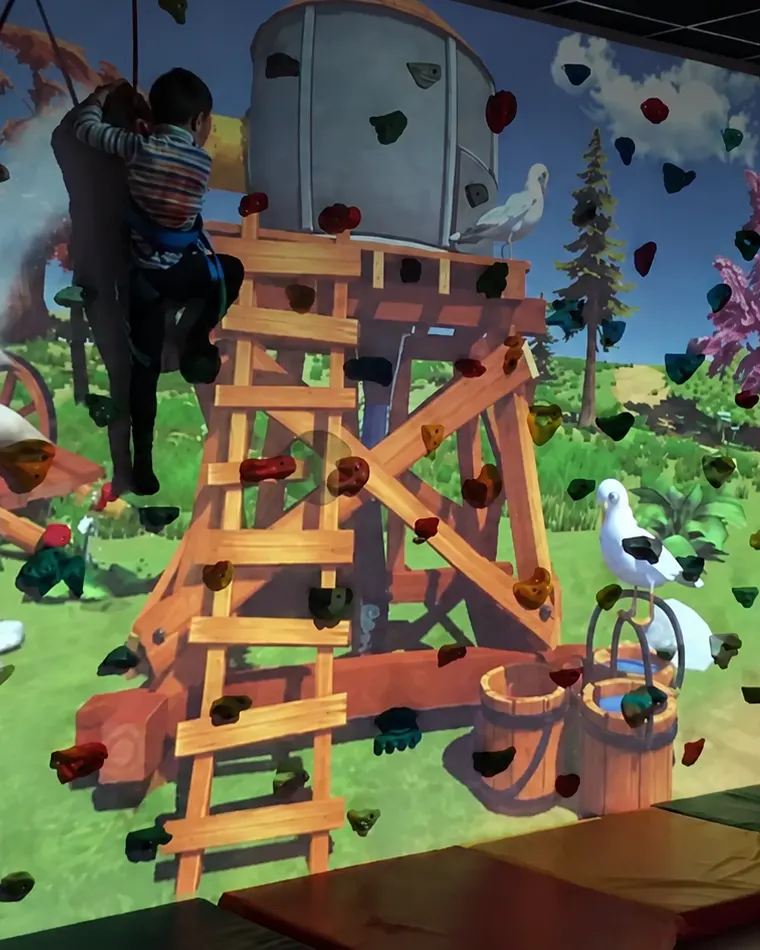
Responsive Motion Tracking
The sensor detects movement and interaction within the active projection area, allowing the digital content to respond with minimal delay.
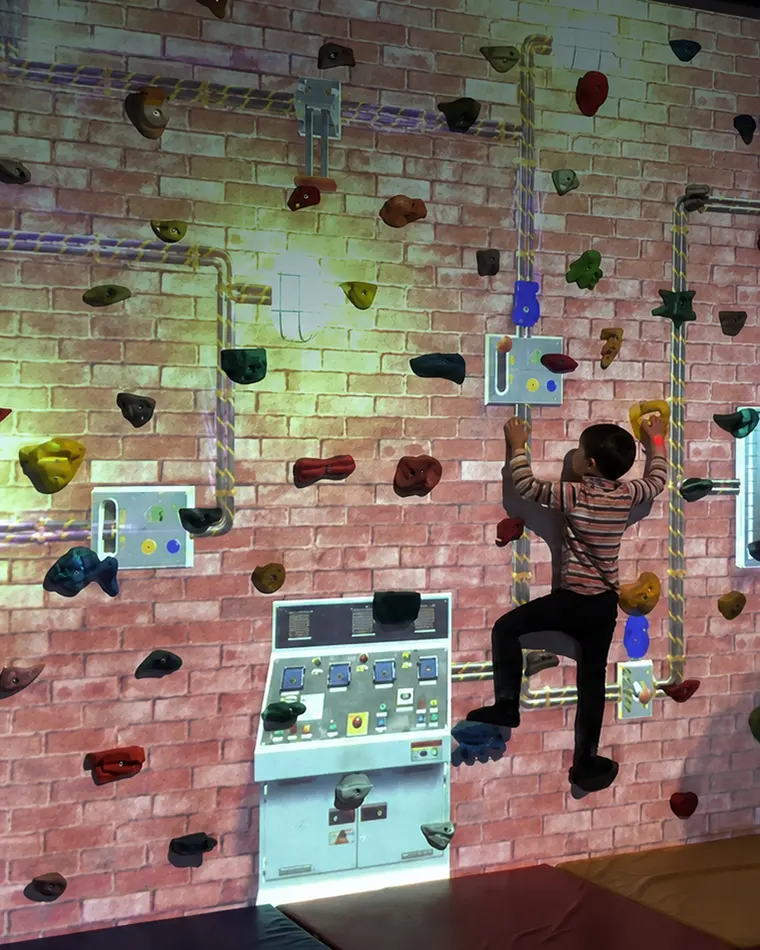
High-Brightness Laser Projection
Commercial-grade laser projector options provide bright, detailed visuals for indoor environments. Final image quality depends on the selected projector, ambient lighting, projection distance, wall color, surface texture, and projection size.
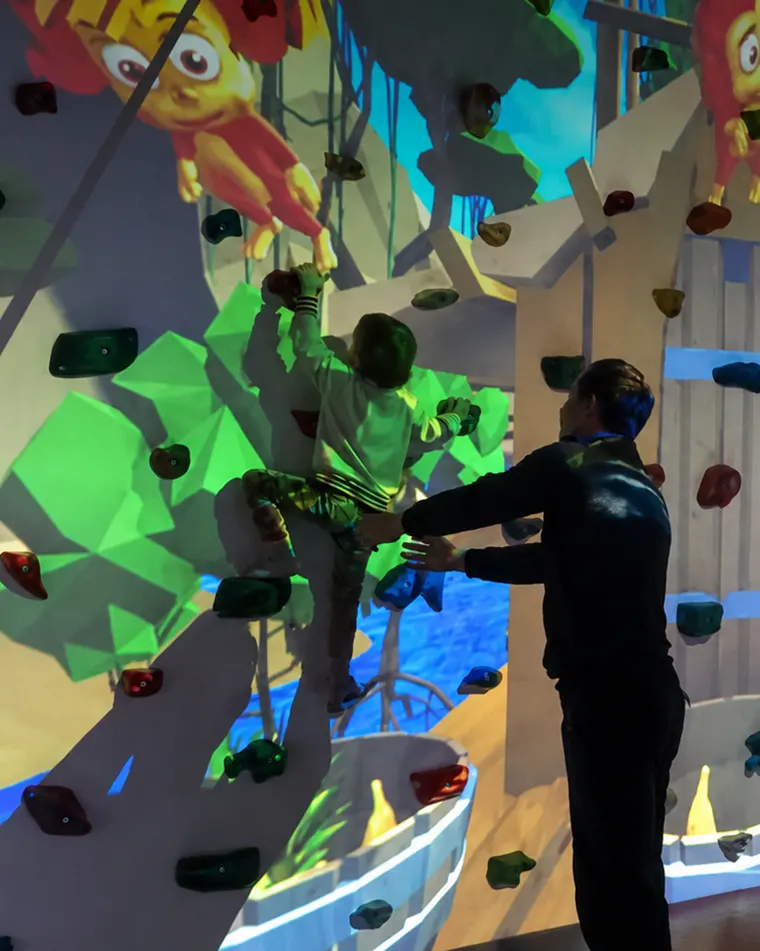
Full HD Visual Content
The system displays games and visual effects in Full HD resolution, subject to the selected equipment configuration and supported projection format.
Large Active Projection Area
Depending on the model and room conditions, the system can provide a projection area up to 155 inches wide.

Flexible System Calibration
During installation, the projection and tracking areas are calibrated to match the climbing surface, wall dimensions, hold placement, sensor position, and room layout.

Protected Equipment Placement
The projector, sensor, computer, wiring, and other electronic components are positioned and secured as part of the professional installation. The final layout depends on the ceiling structure, wall configuration, safety requirements, and available equipment mounting points.
Straightforward Daily Operation
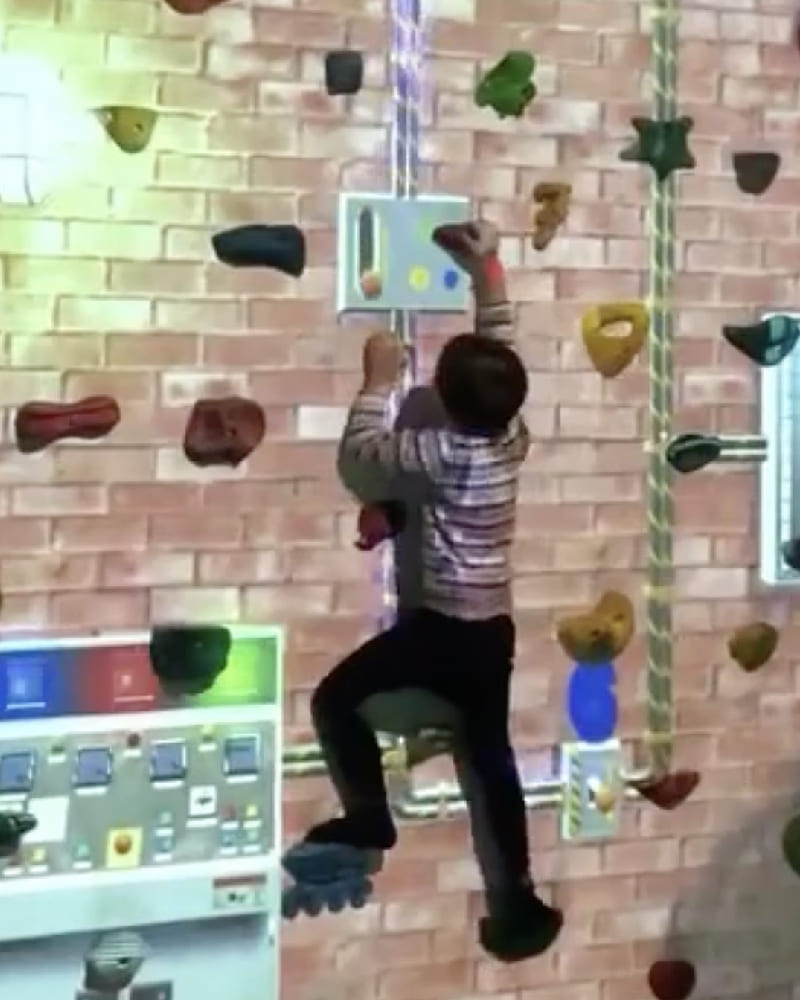
After installation and staff training, employees can start the system, select an available game, and run normal daily operations using the provided control device.

Adaptable Game Content
Different games can be selected for recreational climbing, competitions, structured movement sessions, group activities, and educational environments.
Climbing Beyond Imagination
Read feedback from our adventurers:
Fitness Enthusiasts appreciate the combination of working out and entertainment, noting significant improvements in participant’s physical skills and overall fitness.
Educators value the problem-solving aspects, with students excited to engage in physical activity that also stimulates their minds.
Family Entertainment Centers report increased visitor engagement and repeat visits, highlighting the product as one of the key attractions that stands out from the traditional wall climbing.
Ready to
Discover New Heights?Thinking about introducing the groundbreaking attraction that combines physical activity with digital fun? Schedule a Demo Today: Learn how the Interactive Climbing Wall can elevate your offerings, attracting adventurers and thinkers alike, eager to tackle their next challenge.
Planning and Installation Requirements
Every location is different, so the system configuration should be selected after reviewing the room and climbing area.
To recommend an appropriate setup, our team may request:
- Climbing wall dimensions
- Photos or plans of the installation area
- Ceiling height
- Available projection distance
- Wall color and surface material
- Position and color of climbing holds
- Ambient lighting conditions
- Available power connections
- Internet or network availability
- Projector and sensor mounting options
- Safety flooring and clearance around the wall
- Expected participant age and capacity
- Intended commercial, educational, recreational, or sensory use
A light, visually consistent wall surface generally produces the clearest projected image. Dark surfaces, highly reflective finishes, strong patterns, direct sunlight, and intense spotlights may reduce projection visibility or tracking performance.
Our team reviews the available information before recommending a standard or customized configuration.
Why Choose Our Interactive Climbing Wall?
FAQs
An interactive climbing wall combines a compatible physical climbing structure with projection, motion-tracking technology, and purpose-built software. This type of interactive rock climbing wall allows participants to influence projected targets, routes, and game elements through their physical movements. As users climb, the sensor detects their interactions and updates the digital content in real time.
Yes. The system can be added to many existing commercial climbing walls if the surface, dimensions, lighting, projection distance, equipment mounting options, and safety area are suitable.
Our team reviews photos, measurements, and installation conditions before recommending a configuration.
Yes. The interactive equipment can be considered during the planning of a new commercial climbing installation. This allows the wall dimensions, projection area, climbing holds, sensor coverage, equipment placement, and safety zone to be coordinated from the beginning.
The standard Interactive Climbing Wall package focuses on the projector, sensor, computer, software, controls, and other components required for the digital experience.
The physical climbing wall, climbing holds, structural supports, and safety flooring may need to be selected separately unless they are specifically included in your proposal. Our team can review the project and explain which components are included in the recommended configuration.
White, off-white, or another light and visually consistent surface usually produces the clearest projection. Dark colors, complex patterns, highly reflective materials, and strong color variation may reduce image clarity and tracking accuracy.
Our team can evaluate the planned or existing surface before installation.
Climbing holds create shadows and affect how projected content appears across the wall. Their size, color, depth, and placement should therefore be considered during system planning and calibration.
The system can be configured around many standard climbing layouts, but every wall should be evaluated individually.
Yes. The system uses professional-grade projectors designed for indoor environments. However, projection visibility depends on projector brightness, room lighting, projection size, wall surface, and the light direction.
For the best visual experience, direct sunlight and strong spotlights should be kept away from the active projection area. A higher-brightness projector may be recommended for rooms with more ambient light.
Depending on the selected model and installation conditions, the projected area can be up to 155 inches wide.
The final image size depends on the projector, projection distance, wall dimensions, ceiling height, and room layout.
The system includes a collection of interactive climbing games. The exact number depends on the selected software package and configuration.
Before publishing this answer, replace it with the confirmed number that applies to the models shown on the page. The same number must appear in the product description, model table, game section, and specifications.
Participant capacity depends on the size of the climbing surface, sensor coverage, selected game, and safety requirements of the facility.
Some activities may support individual, alternating, cooperative, or competitive use. Our team can explain the available formats for the selected configuration.
The available games provide different types of objectives and movement challenges. Staff can select an activity based on the participants’ age, climbing ability, and intended session format.
All participants should use the climbing structure according to the facility’s operating rules and under the required level of supervision.
A continuous internet connection may not be required for normal daily operation. Internet access may be needed for software updates, remote technical support, system diagnostics, or downloading additional content.
Exact network requirements depend on the selected configuration.
Standard software updates are included, subject to the terms of the selected package. The availability of additional games or new content may depend on the selected system configuration.
No monthly subscription is required for the built-in software, included games, and standard system functions.
Optional services, customized content, or separately purchased additions may be quoted individually.
The system includes a 2-year manufacturer’s warranty, subject to the warranty terms provided with the selected equipment and installation package.
To recommend a suitable configuration, our team may request the wall dimensions, room dimensions, ceiling height, photos of the space, lighting conditions, projection distance, surface material, climbing hold layout, equipment mounting options, and intended use of the system.
Professional installation is recommended to ensure correct equipment placement, secure mounting, projection alignment, sensor coverage, calibration, and system operation.
After installation, staff receive initial guidance on starting the equipment, selecting games, and handling normal daily operation.
The system may be incorporated into professionally supervised activities involving climbing, movement, visual feedback, coordination, sequencing, and active participation.
It is not a medical device and does not independently diagnose, treat, or prevent a medical condition. In clinical, therapeutic, or special education environments, activities should be selected and supervised by a qualified professional based on each participant’s individual needs.
Assistance in selecting interactive equipment
We will help you choose equipment that will best suit your needs