

Children with autism perceive the world in a unique way. They may react differently to information and have difficulties with communication. Often, traditional teaching methods don’t work for children with autism. Instead, regular learning activities can actually increase anxiety.
Many educators ask: How can we make learning not only accessible but also engaging for students with autism? How can we help a child acquire essential skills without stress? Teach students with autism — it’s possible when the right approach is applied. In this article, we’ll discuss modern methods verified by specialists.
Characteristics of Children with Autism
Children with Autism Spectrum Disorder (ASD) have unique characteristics that require an individual approach in education. They may have exceptional abilities in certain areas but significant difficulties in others.
To understand how to deal with ASD in the classroom, it’s important to consider key aspects of their development.
Finding the Right Approach is the Key to Successful Learning
Considering all these features, teaching children with ASD requires flexibility, patience, and creativity. There is no universal method, but there are strategies that help:
By developing a system that is comfortable and understandable for the student, learning can become not only effective but also enjoyable.
Expert Opinions on the Interactive Approach to Learning
Experts believe that interactive methods are one of the best answers to the question of how to help autism in the classroom. Visual prompts, game-based technology, and structured lessons improve focus, develop social skills, and reduce anxiety.
More on this — in the video from the specialists:
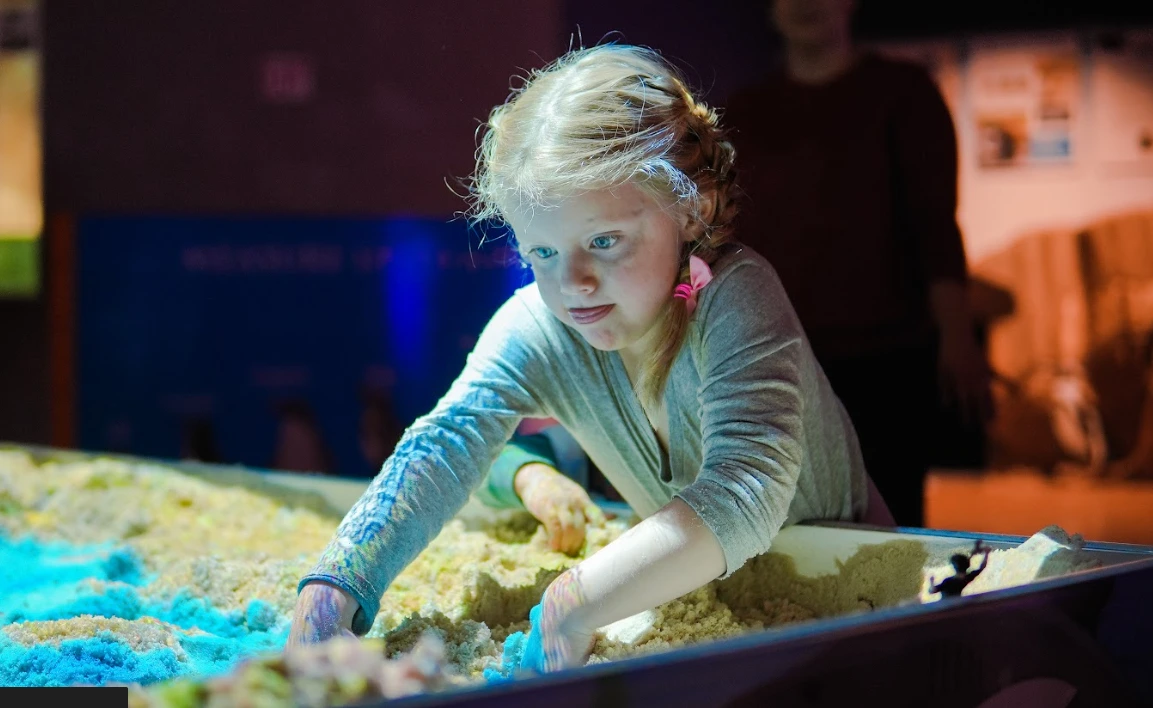
The sandbox from Kids Jump Tech has been a big help for a lot of the therapies we provide, from social skills groups to direct service and even as a calm-down sensory break.
The kids are really into it, and it allows you to target many forms of goals, including behavioral outcomes, motor skills, imitation, and socialization.
How to Teach Social Skills to Students with Autism
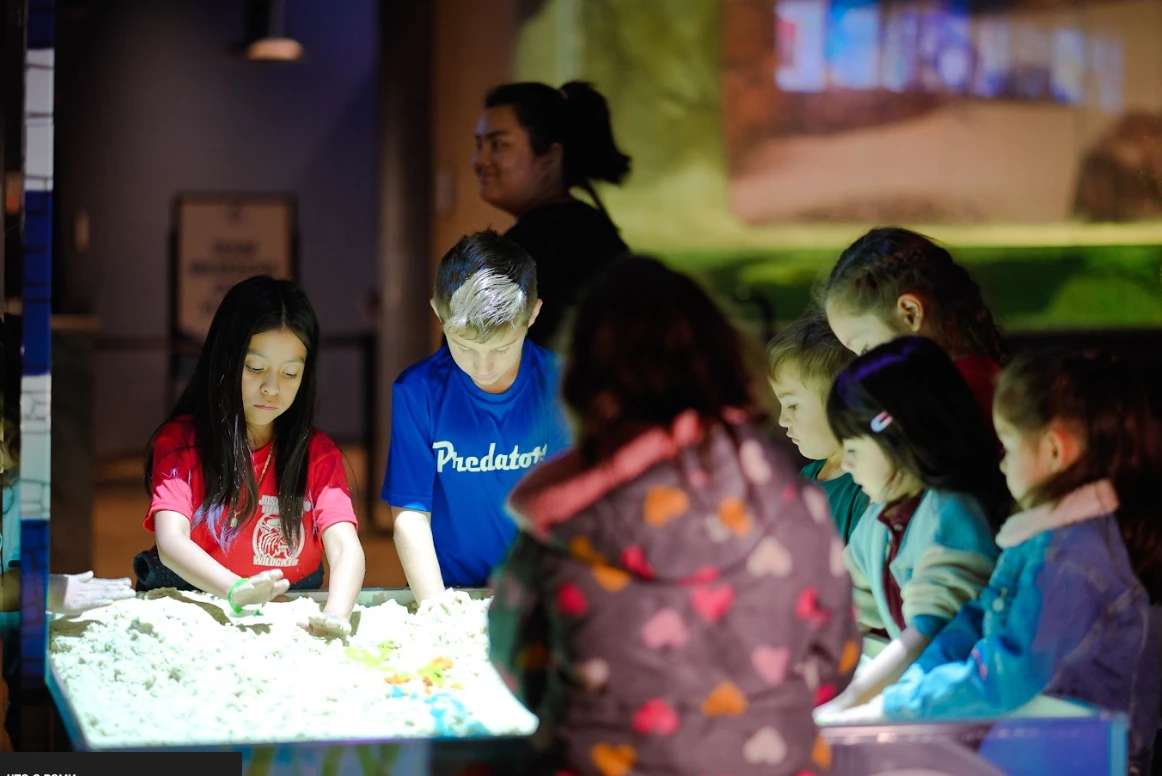
Children with autism may find it difficult to make contact, understand others’ emotions, and participate in joint activities.
Best results are achieved when learning occurs in an engaging game-based format. Our interactive games help children with autism train social skills through movement and interaction. Some of these games include:
Games help children with autism learn to interact in a non-intrusive way. Cooperative play teaches children to negotiate, wait their turn, follow rules, and manage emotions — essential skills for adapting to society.
How to Teach English to Autistic Students
Many students with autism struggle with language learning, understanding speech, and communication. They find it difficult to grasp abstract concepts and detect social cues.
Using Games to Teach English
Our interactive game “Alphabet Adventure” makes learning English more engaging and accessible for children with autism.
In this game, children collect letters and form words that correspond to pictured items.
Benefits of our “Alphabet Adventure” game:
Why This Matters
According to The Children’s Reading Foundation, children with poor reading comprehension often “struggle with low self-esteem and a sense of inadequacy” and may be at risk of “attendance problems and dropout.”
Interactive games create a practical learning environment where children actively engage in the process. This approach not only facilitates language acquisition but also improves focus, confidence, and social skills.
How to Teach Math to Students with Autism
Some students find it hard to understand number sequences, comparisons, and spatial relationships. In schools, teachers use visual aids (blocks, cubes, counting sticks) and clear, structured explanations.
KidsJumpTech Games That Help Teach Math:
How to Teach Nonverbal Students with Autism
Teaching children with autism who don’t use speech for communication requires a special approach. Nonverbal children may struggle to express needs, understand spoken language, and interact with others.
But that doesn’t mean they can’t learn and grow — it’s important to use alternative communication methods and adapted strategies.
Games for Memory and Attention Development
Games for Emotional Intelligence and Social Skill Development
How These Games Help Nonverbal Children:
Games help children with autism not only learn but adapt to the world, developing valuable skills in a comfortable play-based format.
The Importance of Sensory-Friendly Spaces
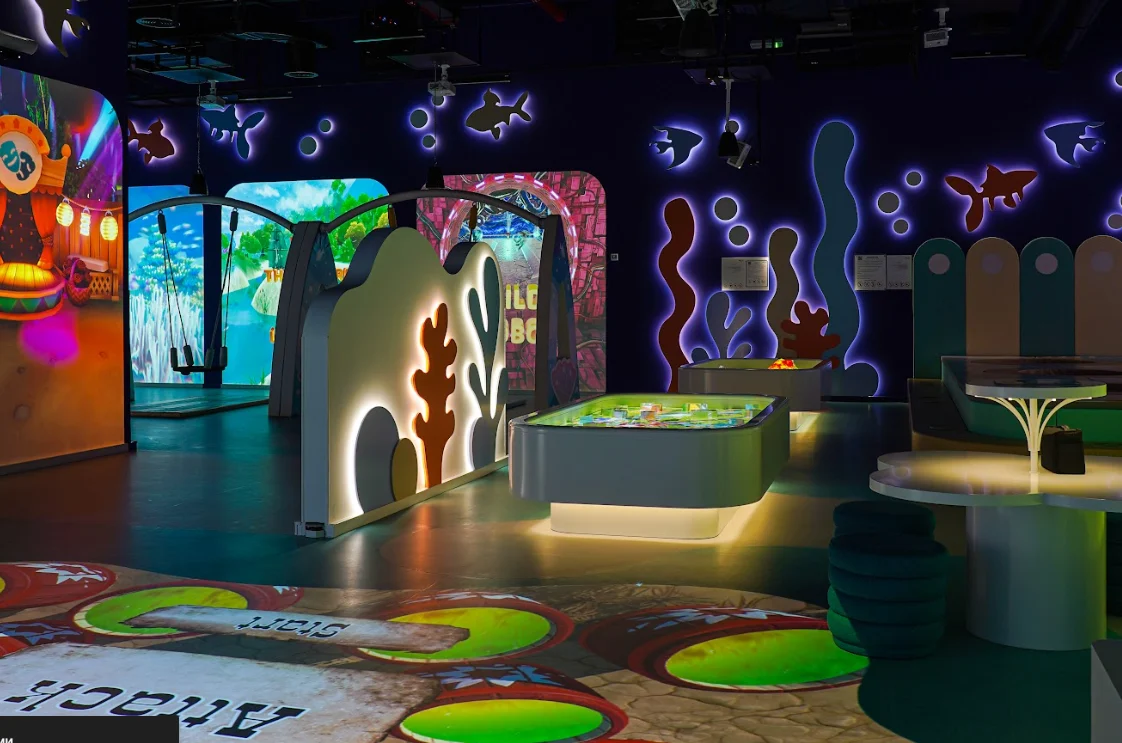
Children with autism often face sensory overload that interferes with learning and social adaptation. Bright lights, loud sounds, strong smells, and touch can cause stress, anxiety, or even physical discomfort.
Creating sensory-friendly spaces in schools reduces anxiety, improves focus, and enhances overall student well-being.
We develop sensory rooms and sensory corners in schools that create a safe and adaptive environment for students with autism.
The Positive Impact of Game-Based Learning
Game-based learning positively influences children with Autism Spectrum Disorder (ASD).
Why are games so important?
Examples:
Incorporating games into the educational process makes learning more accessible and effective for children with ASD, fostering their holistic development and social integration.
Try Out Our Equipment

Want to see how our games help children with autism learn more effectively? We offer several testing options:
Interactive Games to Support Children with Autism – Real Life Stories
Specialized schools and therapy organizations successfully implement innovative game solutions in their practice.
Teachers, parents, and specialists report that this approach helps children develop social skills, focus, motor coordination, and communication abilities.
The video below shows real stories of teachers and parents who have seen positive changes in children thanks to these technologies.